
How Undertone, Contrast and Depth Choose Your Seasonal Palette
Most color advice skips straight to swatch lists. But knowing which swatches belong to you starts one step earlier—with three physical traits that a professional colorist reads before a palette even enters the picture.
The Foundation: Undertone, Contrast, and Depth
Seasonal color analysis sorts every person into one of 12 palettes: four season families (Spring, Summer, Autumn, Winter), each with three sub-seasons. The sorting key is not your favorite color or your skin tone alone. It is the combination of your undertone (warm or cool), your contrast level (low, medium, or high), and your depth (light, medium, or deep).
Get those three right, and the right seasonal palette follows naturally. For a full introduction to the system, seeWhat is color analysis?
1. Undertone: Warm, Cool, or Somewhere Between
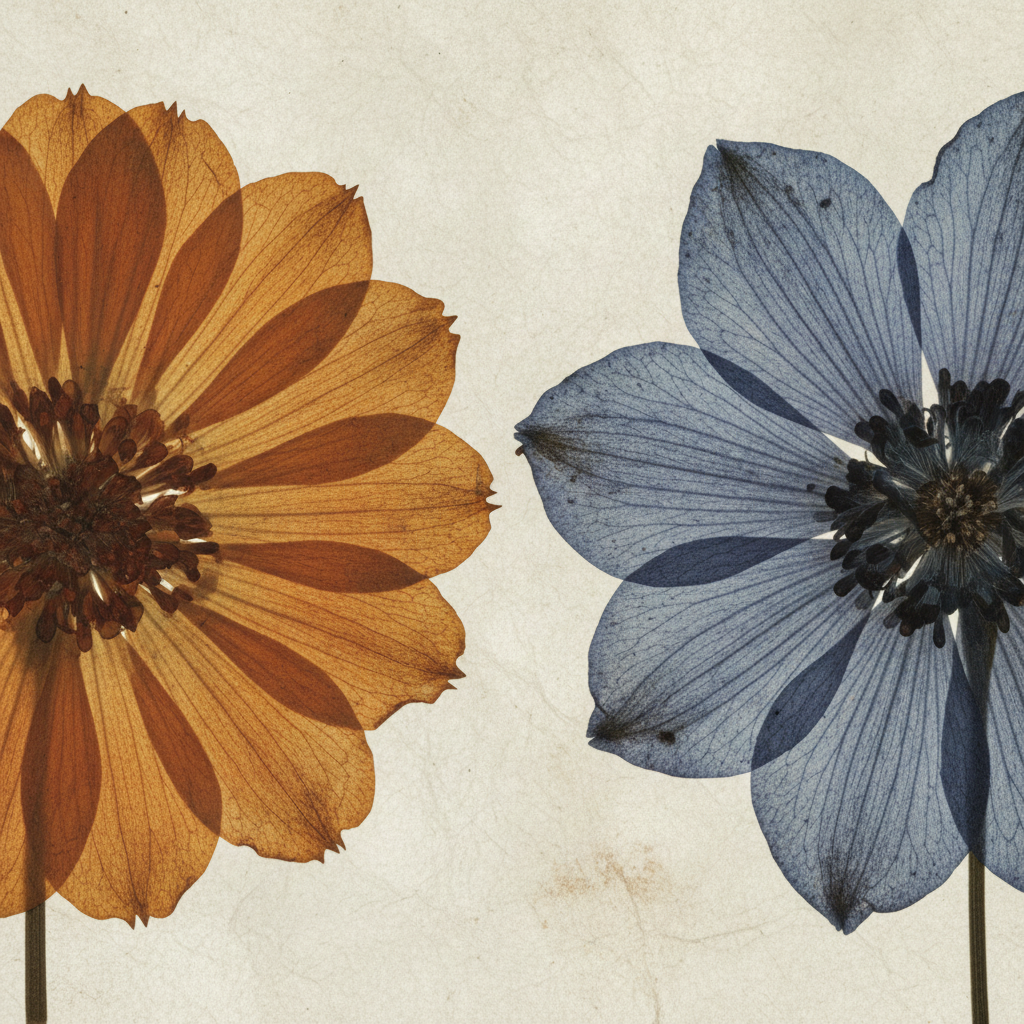
Undertone is the primary filter of seasonal color analysis. It determines whether your skin, hair, and eyes are harmonized by yellow-based (warm) or blue-based (cool) pigments. Warm undertones lead you toward the Spring or Autumn families, while cool undertones point toward Summer or Winter. This is a biological constant that remains the same regardless of tanning or aging.
2. Contrast: The Level of Definition
Contrast is the degree of difference between your features—specifically your skin, hair, and eyes. High contrast (for example, dark hair against very fair skin) often points toward the Winter or Autumn families. Low contrast (where skin, hair, and eyes are similar in value) typically directs you toward the Summer or Spring families. Contrast narrows the search from a broad season family to a specific aesthetic direction.
3. Depth: The Final Resolution
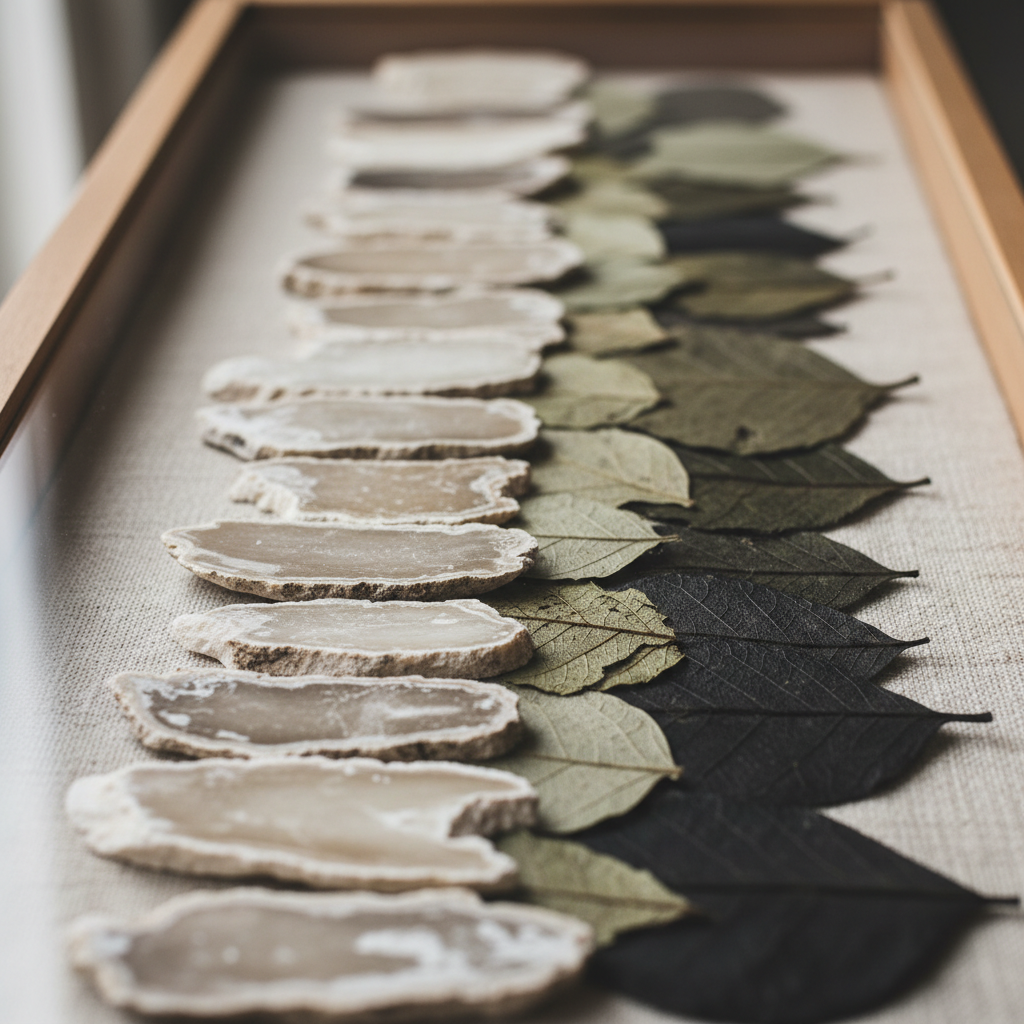
Depth describes the overall lightness or darkness of your coloring. Once undertone and contrast have established your general category, depth resolves the exact palette. It determines whether you belong in a 'Light' sub-season (like Light Summer) or a 'Deep' sub-season (like Deep Autumn). It is the final piece of the puzzle that ensures your palette matches the natural saturation of your features.
Three Things to Take With You
Before you leave this page, hold on to these three points:
Undertone first, always.
Warm undertone sends you to Spring or Autumn. Cool undertone sends you to Summer or Winter. Nothing downstream changes this.
Contrast narrows the family.
High contrast within warm tones points Autumn or Bright Spring. Low contrast within cool tones points Soft Summer or Light Summer.
Depth confirms the sub-season.
Once undertone and contrast have done their work, your overall lightness or darkness resolves the exact palette—Light, True, Soft, or Deep.
Common Questions
Does depth mean my skin tone?
How does a color analysis tool read undertone, contrast, and depth from a photo?
Ready to See Your Season?
Undertone, contrast, and depth point to one of 12 seasonal palettes. Tone & Fit reads all three from a single photo—free, in about 30 seconds, no account required.